
Hello, artists!
This page provides everything you need to get the most out of my webinar series.
—2026—
Program Summary
90-minute webinars held on the second Thursday of every month.
Classes will be recorded for later viewing.
Bonus recordings on the fourth Thursday of every month. This video will feature something different: a demo of my favorite materials, adding final touches to a webinar painting, or working on personal projects.
Exclusive newsletters revealing seldom-seen sketchbook pages or artwork from my archive.
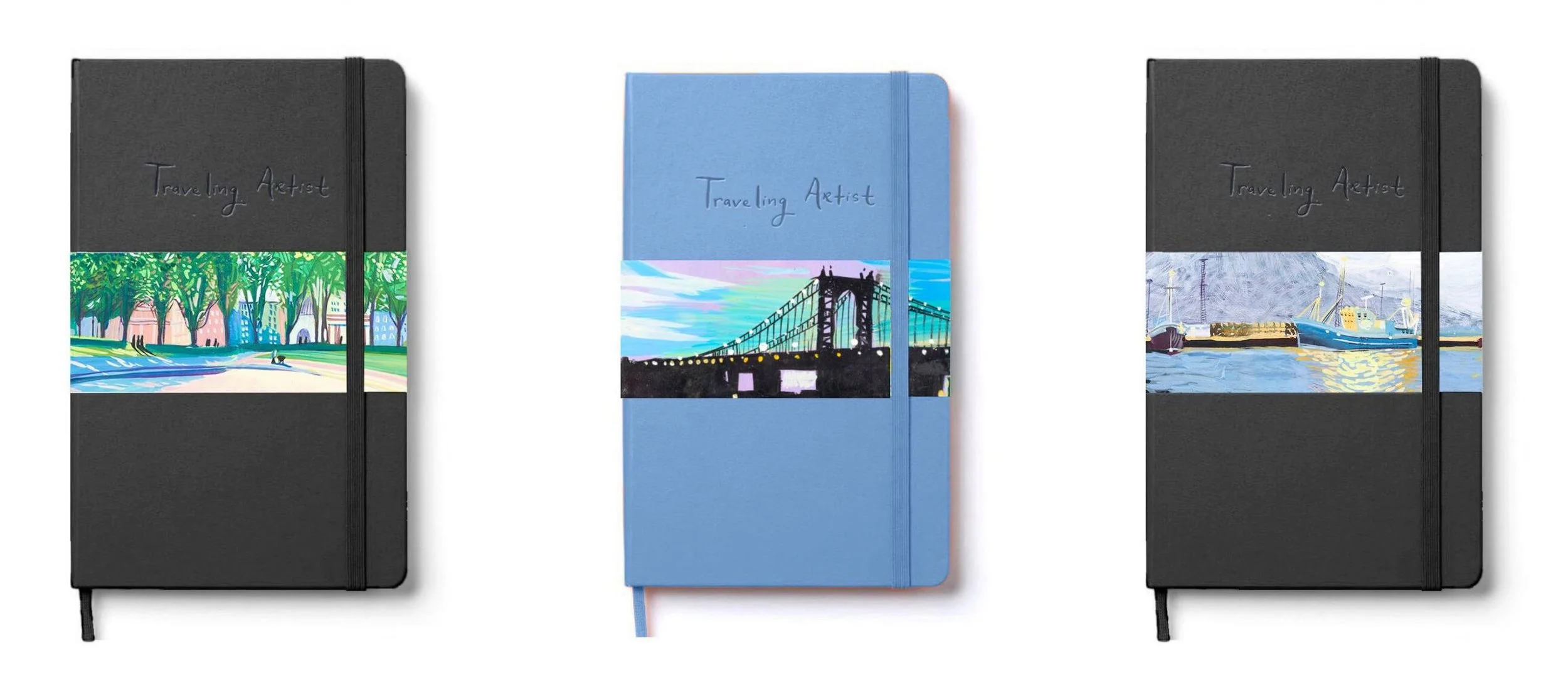
A complimentary copy of my limited-edition sketchbook, which I designed with Moleskine. This sketchbook is the same model I used to create my book and is the one I recommend for my monthly art class webinars. I have three designs to choose from:
Schedule for Spring/Summer 2026
LIVE 90-minute acrylic-ink sketchbook painting classes
Thursday, May 14, 7:00 - 8:30pm US EST
Thursday, June 11, 7:00 - 8:30pm US EST
Thursday, July 9, 7:00 - 8:30pm US EST
Thursday, August 20, 7:00 - 8:30pm US EST
Thursday, September 10, 7:00 - 8:30pm US EST
Bonus Video Releases
Thursday, September 24
Basic Materials List
-FW Acrylic Artist Ink by Daler Rowney. I always recommend two of each primary color (red, yellow, and blue). It’s best to get one that leans warm, and one that leans cool. With these colors, you can mix the full rainbow.
Process Cyan
Rowney Blue
Indian Yellow
Process Yellow
Flame Red
Crimson
Burnt Umber
White

- I use Winsor & Neston Series 7 Kolinsky Sable Brushes. If you prefer a synthetic, I recommend Trekell Golden Taklon brushes. A range of sizes is preferred, from 2 - 10.
-I mix my colors directly on the page and do not use a palette. However, you may prefer one, and that's fine! The egg carton style is great for a fluid medium like acrylic ink. Reduce your plastic use with this porcelain model!
-I avoid spills and ensure my ink jars are safe and upright by keeping them in a painter's box. A shoebox should work just as well.
Check out this video about how kolinsky sable brushes are made, and why they are so expensive:
Special Materials
-Fun Additional Colors by FW Daler Rowney. These are nice “shortcuts” to have on hand instead of mixing:
Dark Green
Light Green
Sap Green
Yellow Ochre
Flame Orange
-Rohrer & Klingner inks. R&K offers a lot of inks and some are available through the Goulet Pen Company in the US. However, the acrylic ink varieties, Zeichentusche and Antiktusche, are only available in Europe. You can occasionally find small quantities on Amazon.
-Looking to reduce your use of plastic? Use glass jars and cotton rags. To dispose of acrylic ink with minimal environmental impact, avoid pouring it down the drain, which contributes tiny plastic particles to our water system. I collect my used water in a large vase and pour it into a rocky, barren area of my yard dedicated to this purpose.
Cleaning Materials
-Brushes: I clean my brushes with Master's Brush Cleaner and Preserver. Even if your brushes have fifteen years of dried paint on them, this soap will soften and restore them beautifully. Dampen the brush and swirl it into the soap. It will start to form a paste, then work the paste into the bristles with your fingers, paying special attention to the base of the bristles where they enter the ferrule. Rinse color out with water and swirl in the soap over and over. Continue until no color appears in the soap and the brushes rinse clear.
-Dip pens: I don't clean my dip pens as often as I should, but when I do, I use this pen cleaner.
-Hands/body: normal bar soap with warm water does the trick. For a heavy-duty option, the Master's Brush Cleaner & Preserver offers a hand soap. For an abrasive, pumiced option, I like the old art school standby, Gojo.
-Tabletop/hard surfaces: I carve out a chunk of the Master's Brush Cleaner & Preserver, mix with warm water, and slowly loosen dried paint from my desktop. An abrasive sponge and elbow grease help to lift away the color. It will take a while, but it will work.
-Clothes: Beats me! Let me know if you find something that works.
-How often should you clean your brushes? Acrylic = plastic. Dried plastic is damaging. If you paint with acrylic ink, it's best to clean your brushes (especially sable!) after each painting session. It's a part of my evening routine.
2026 Class Recording Sets
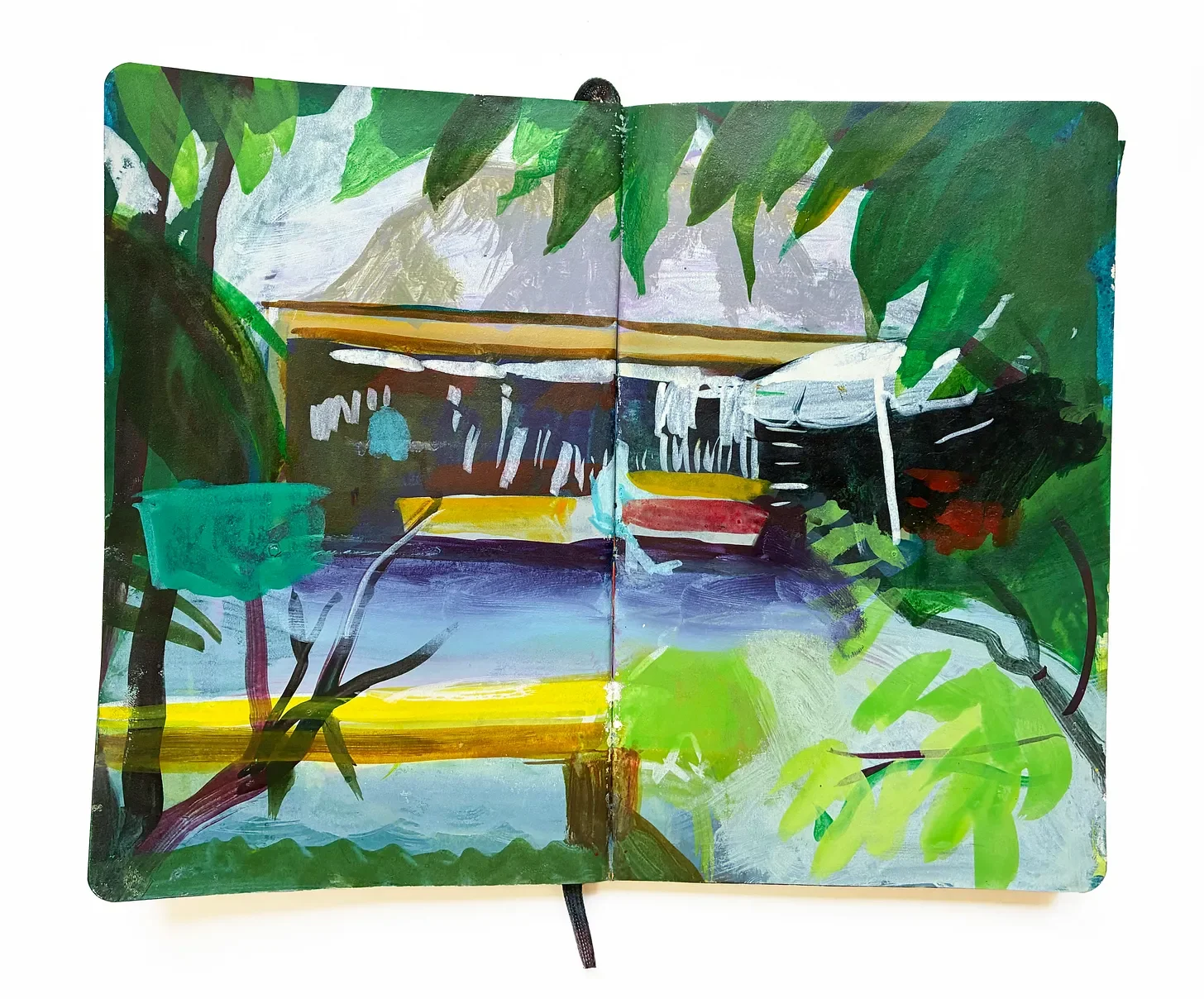
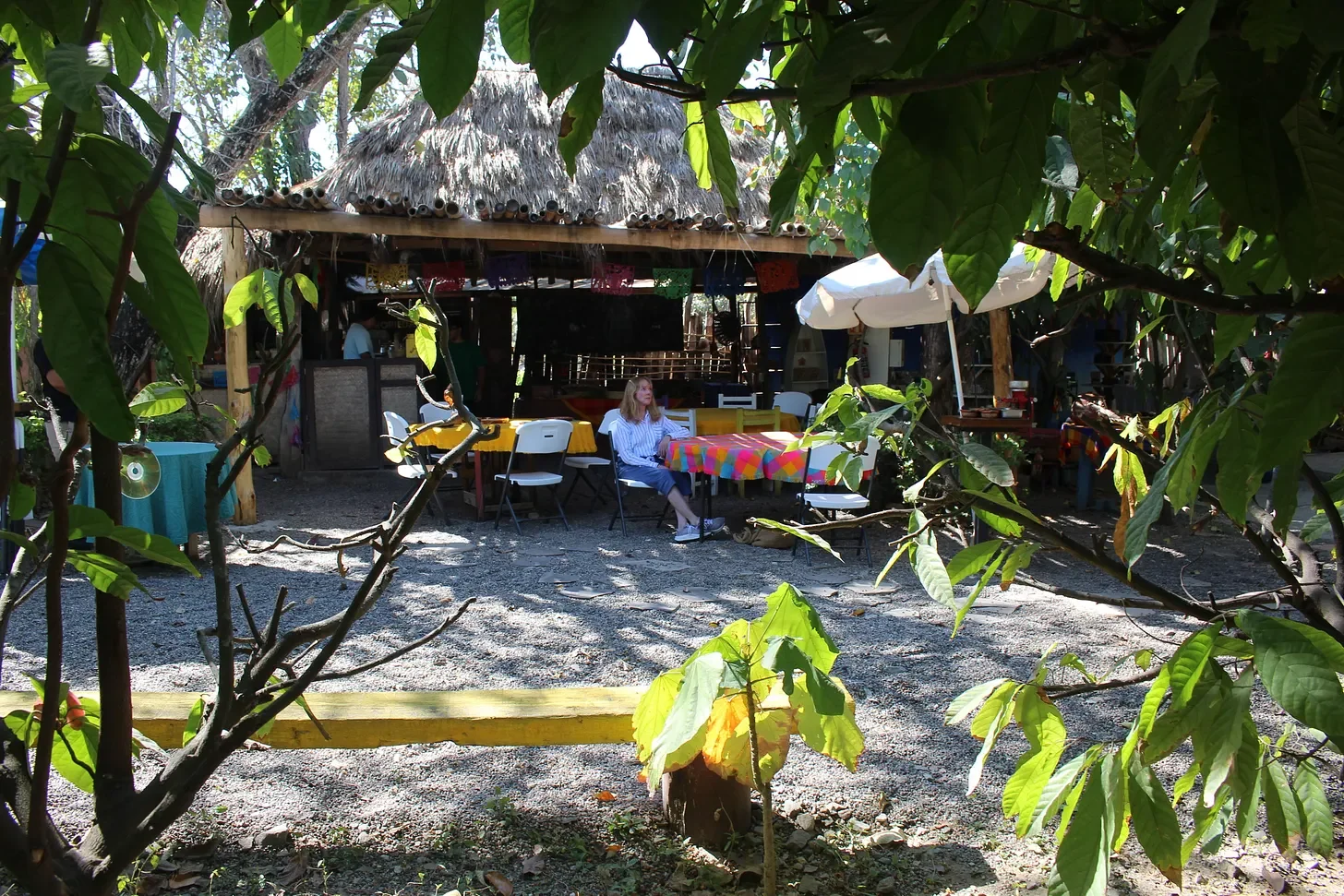
Class Set: Cacao Bean Farm
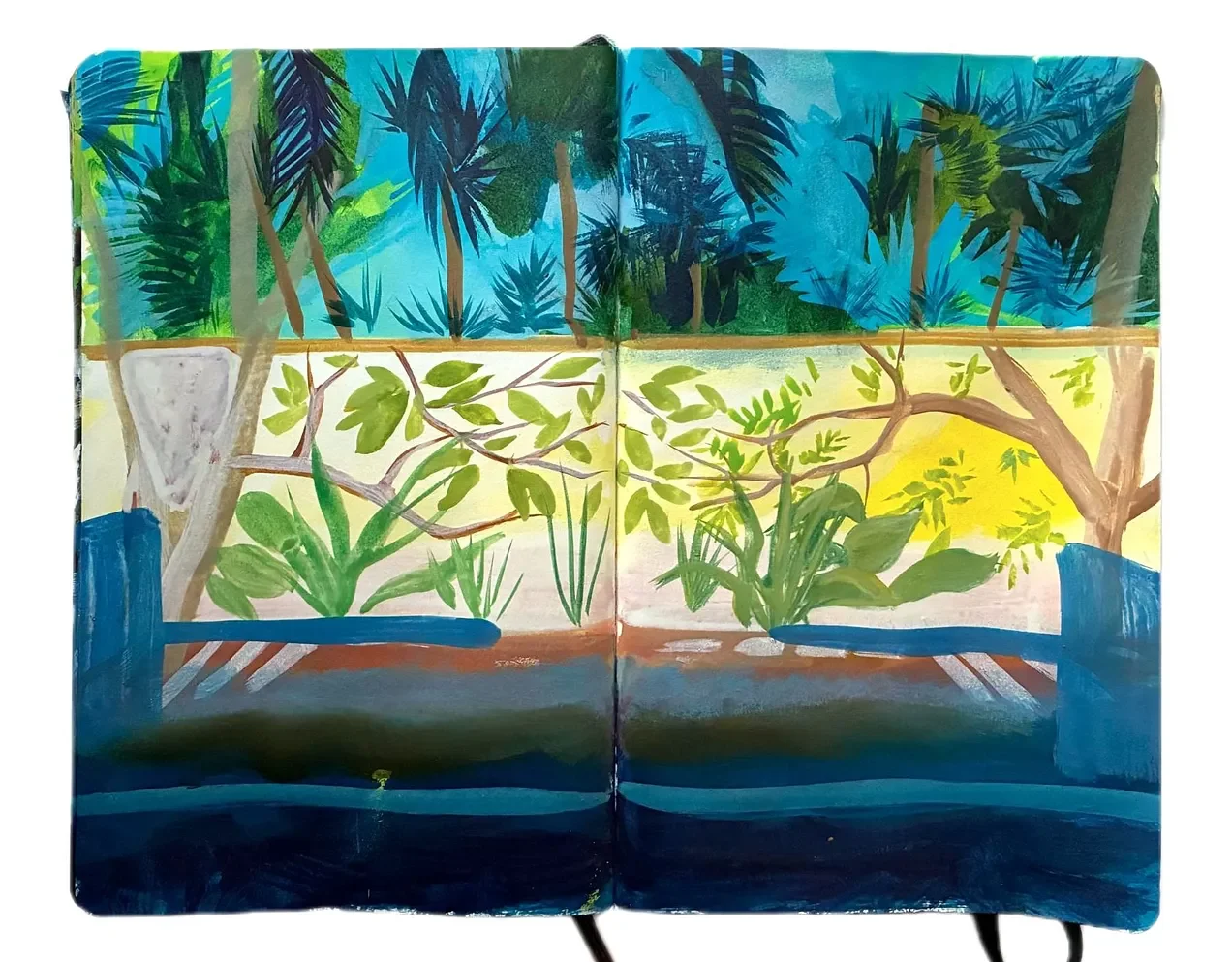
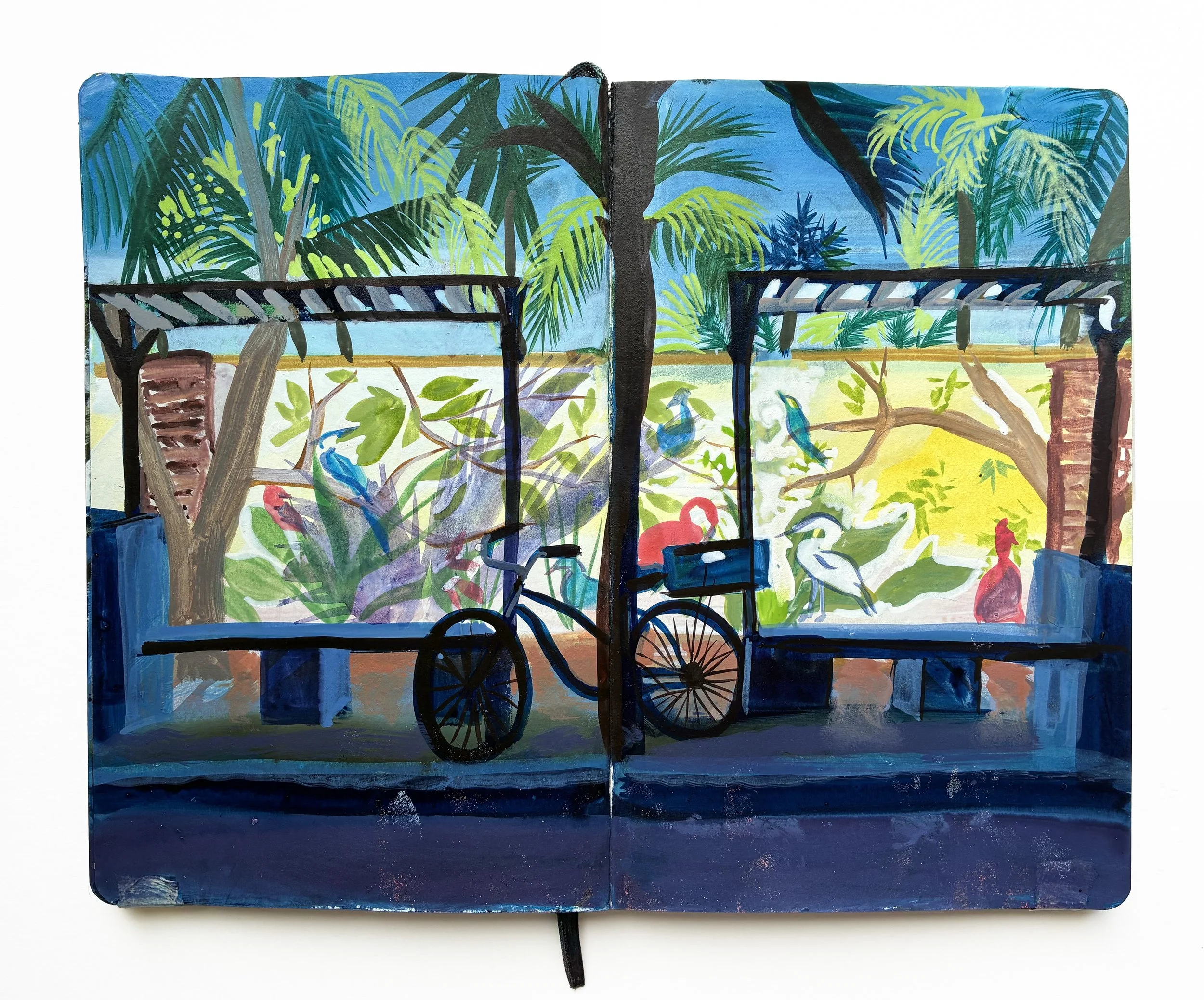
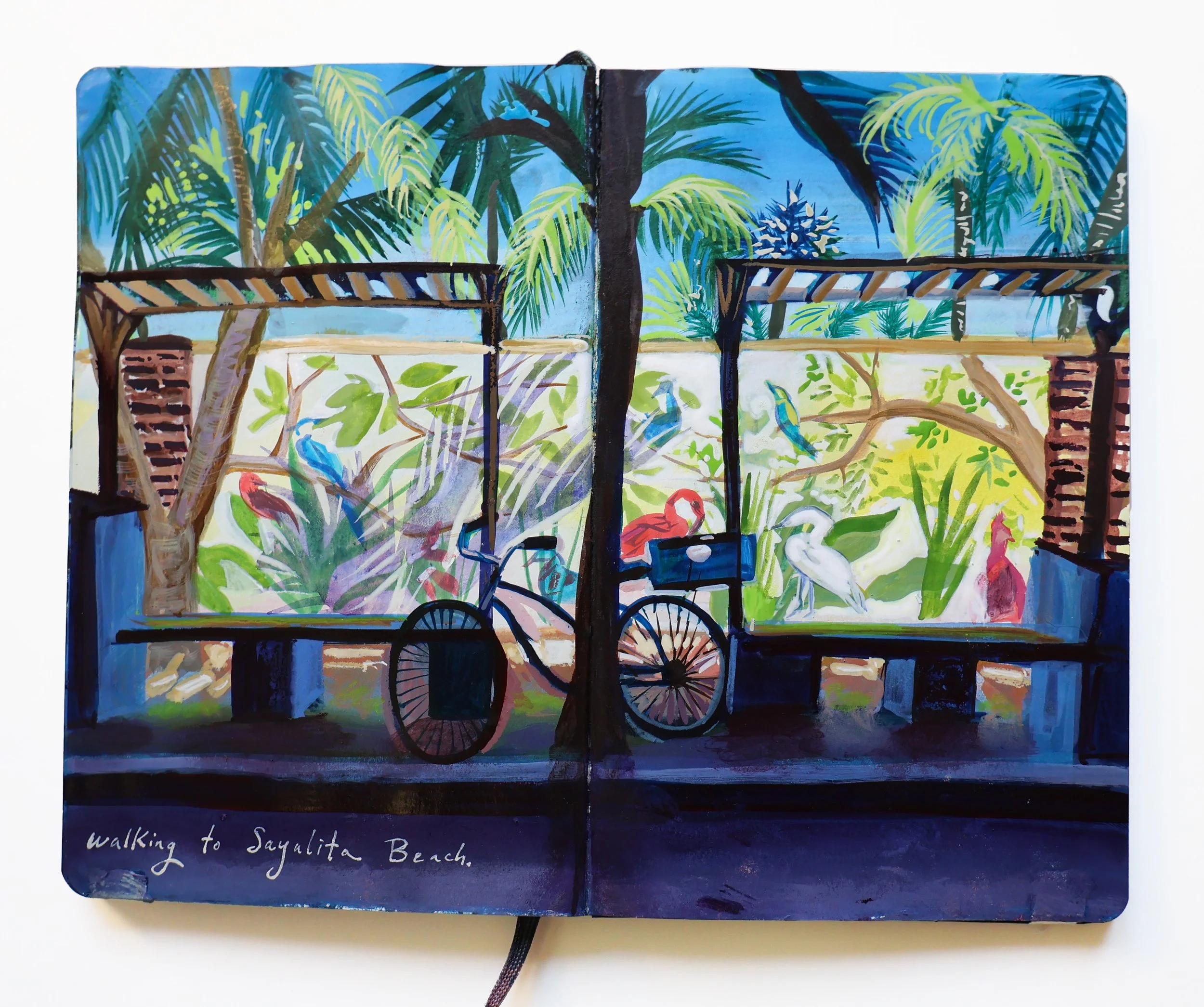
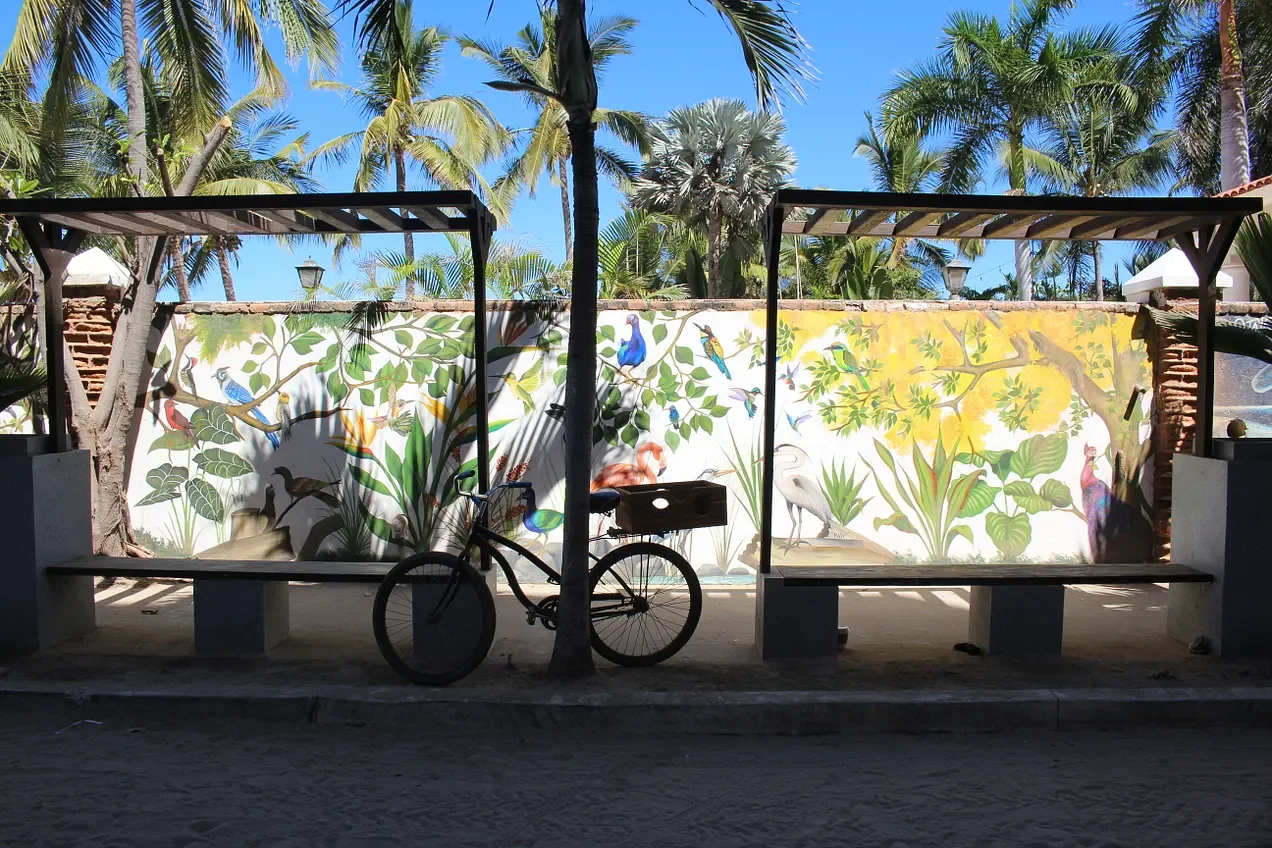
Class Set: Sayulita Beach
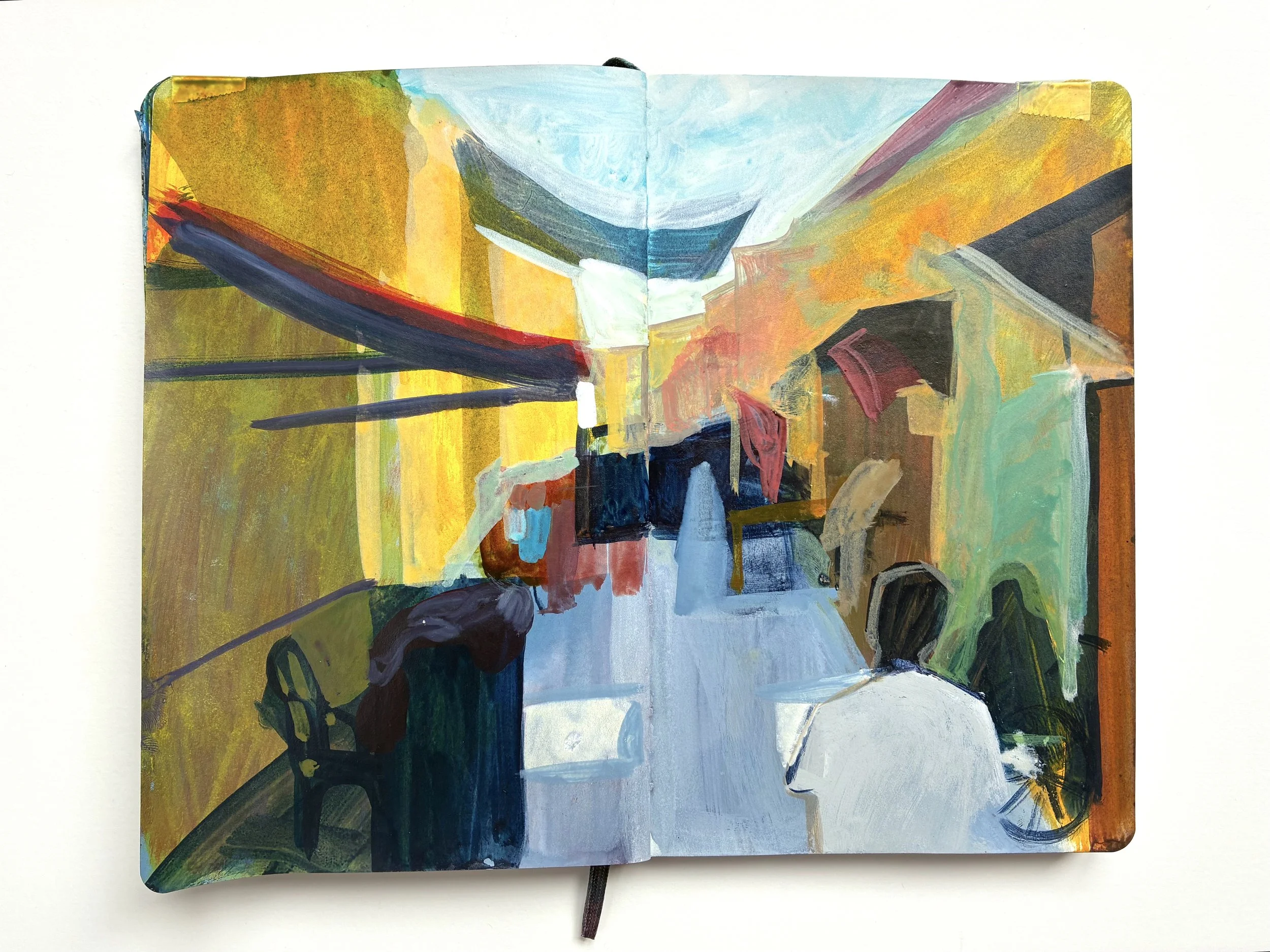
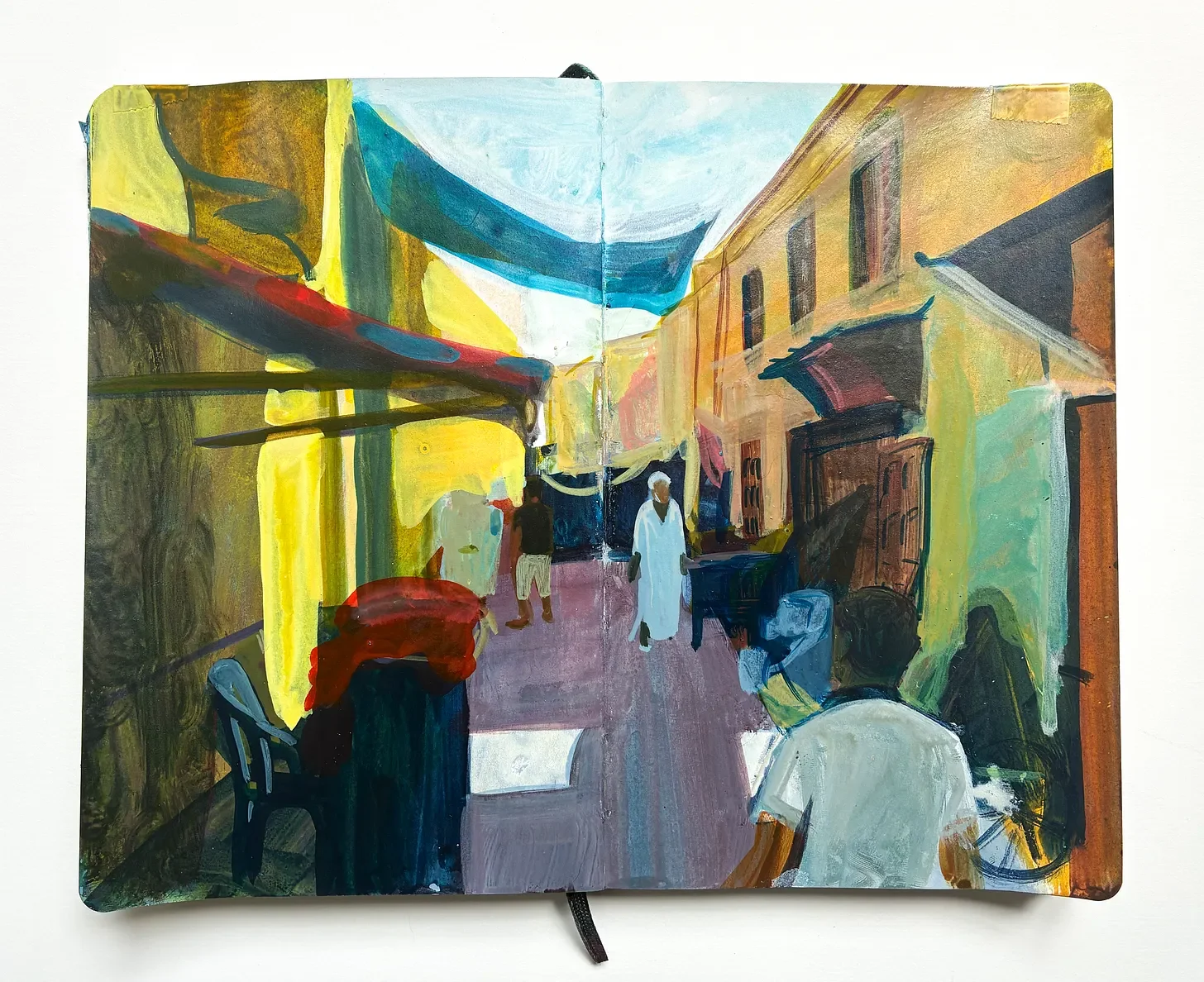
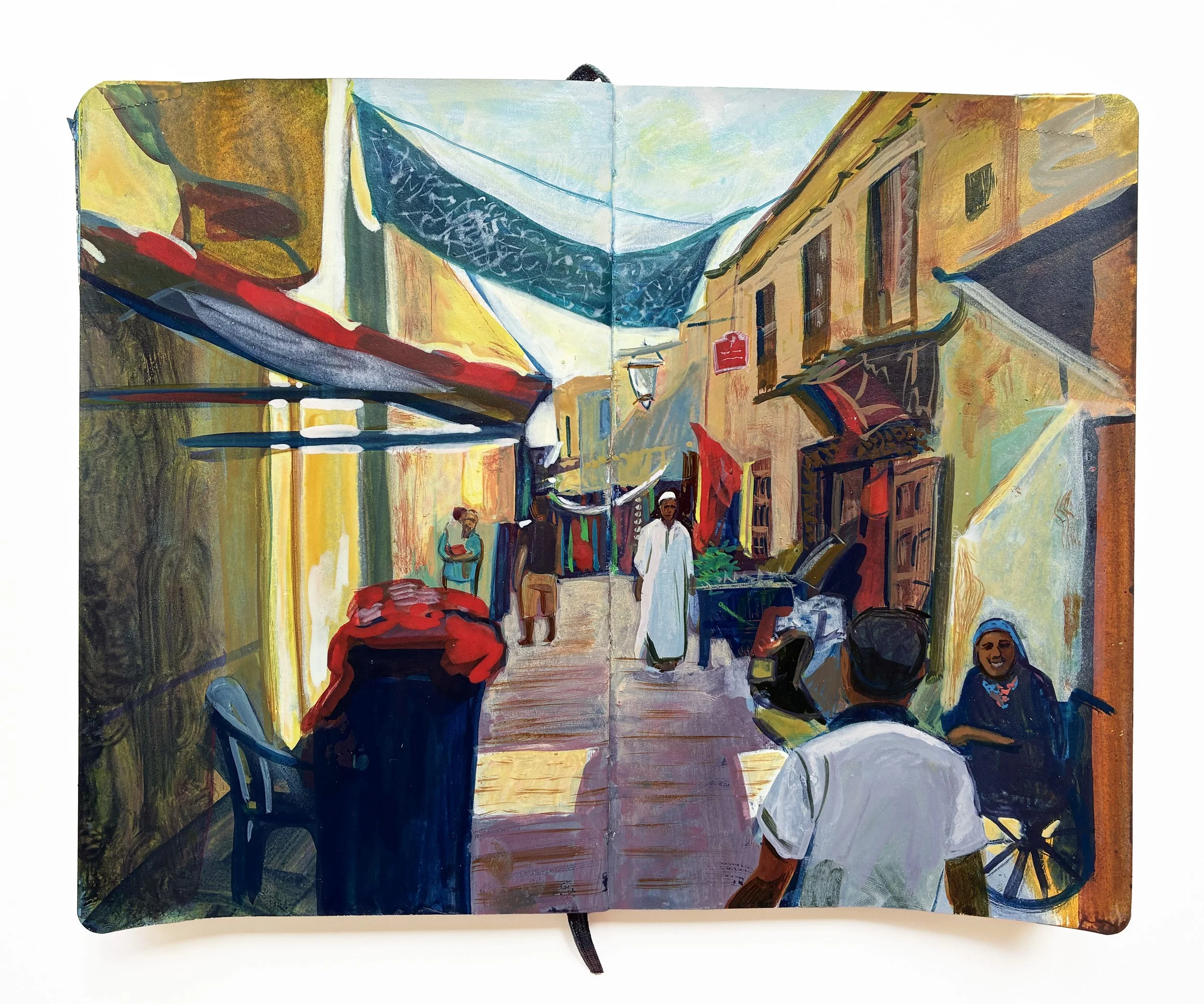
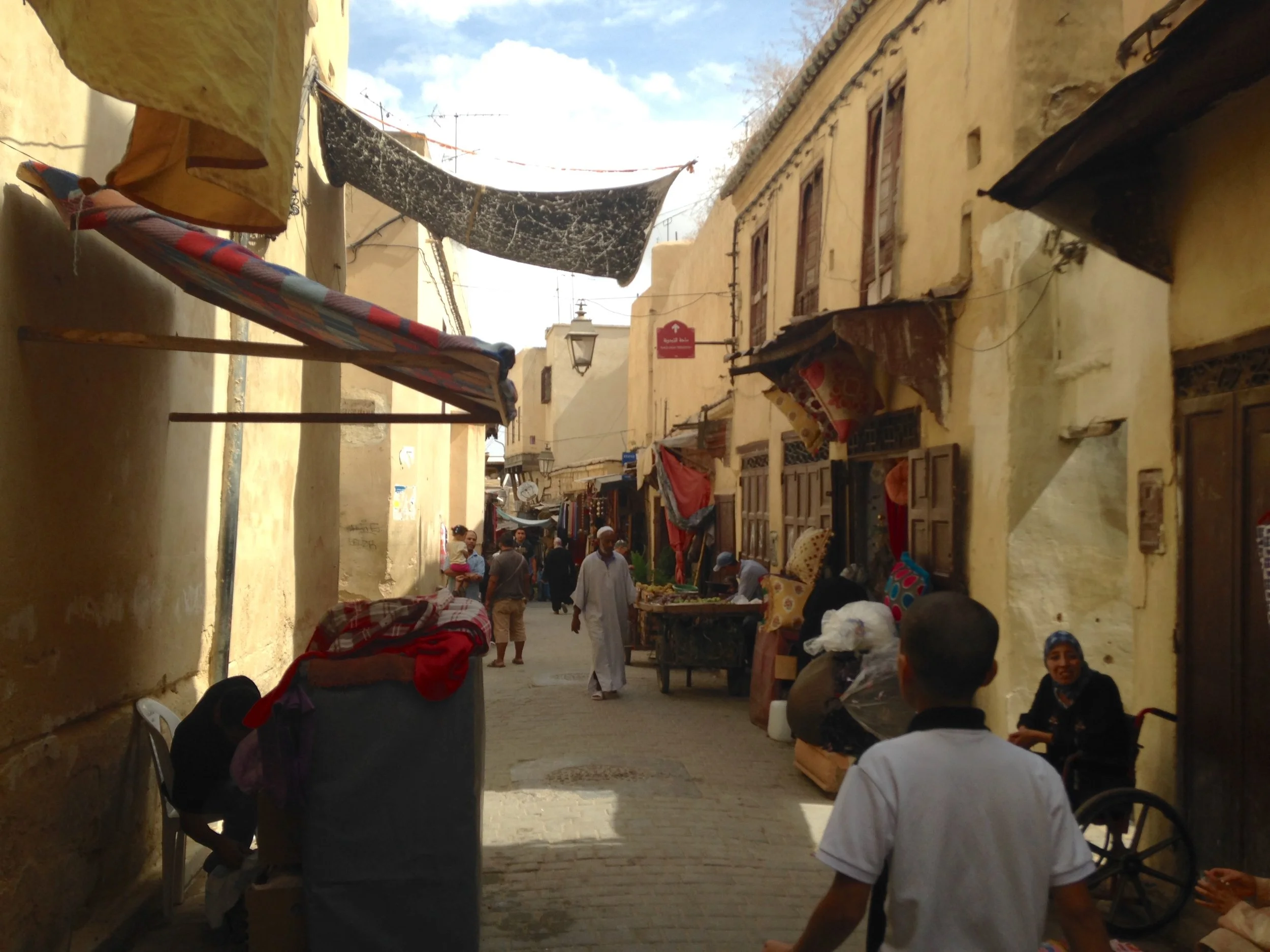
Class Set: Fes Medina
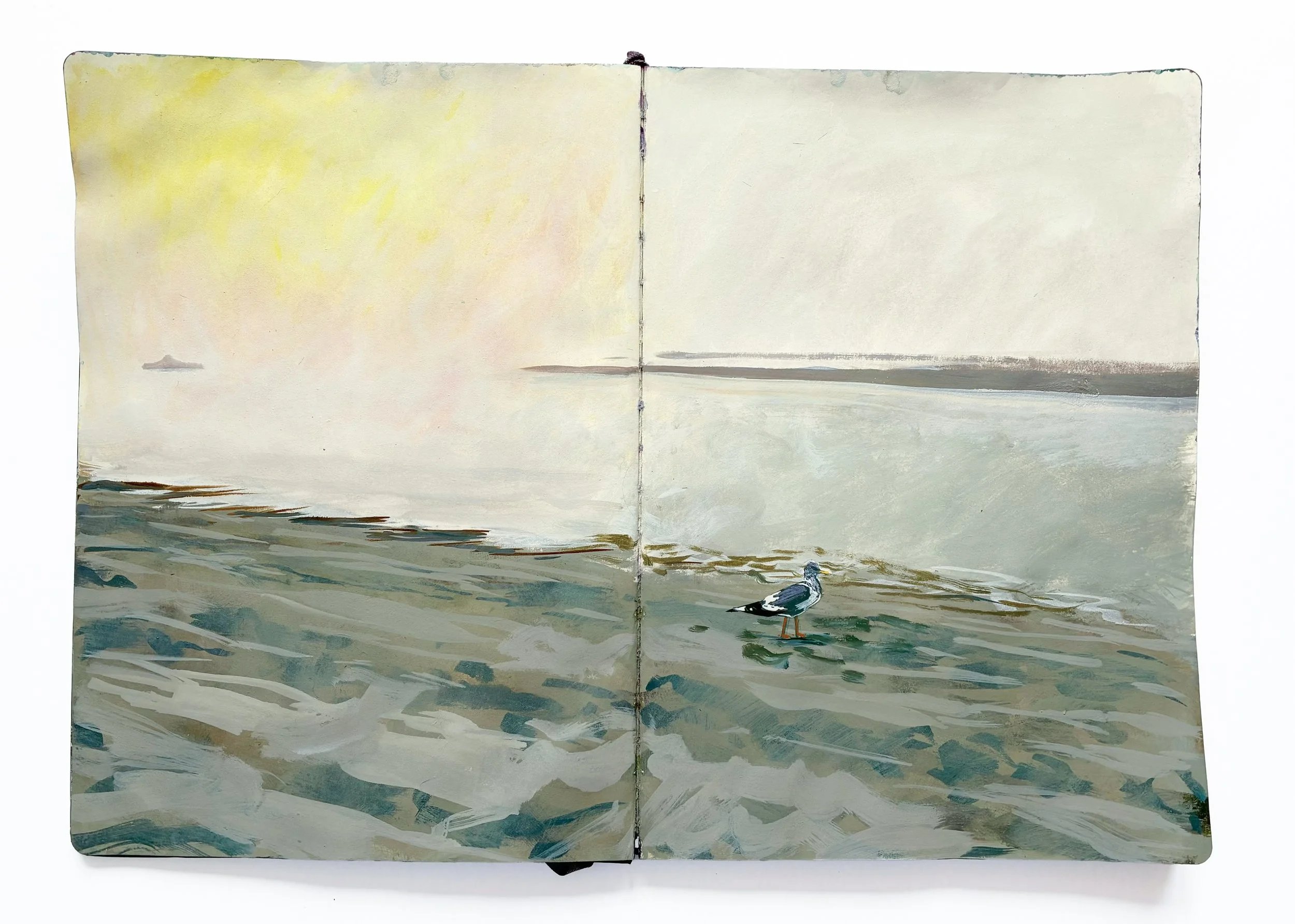
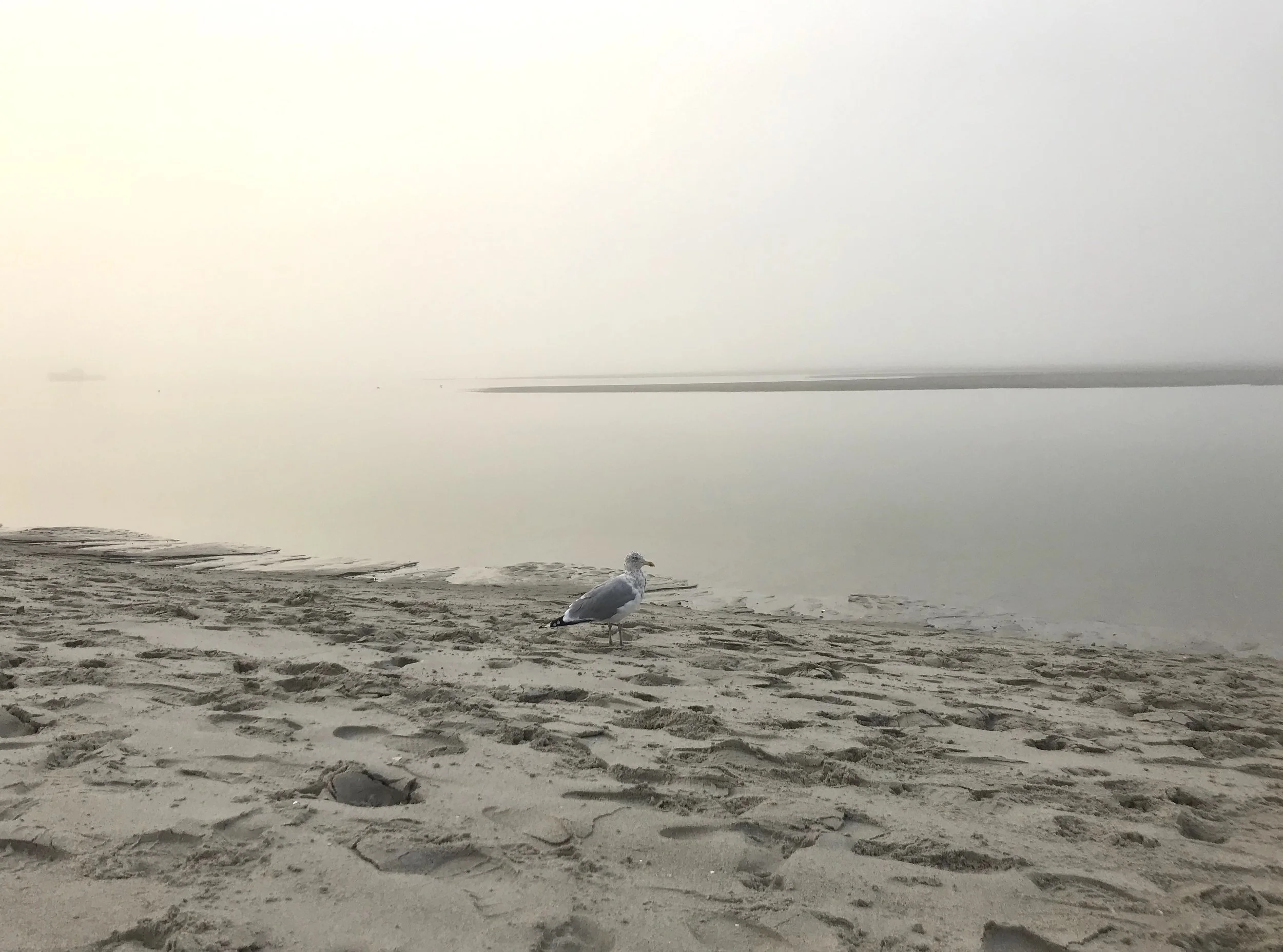
Class: Seagull on a Beach
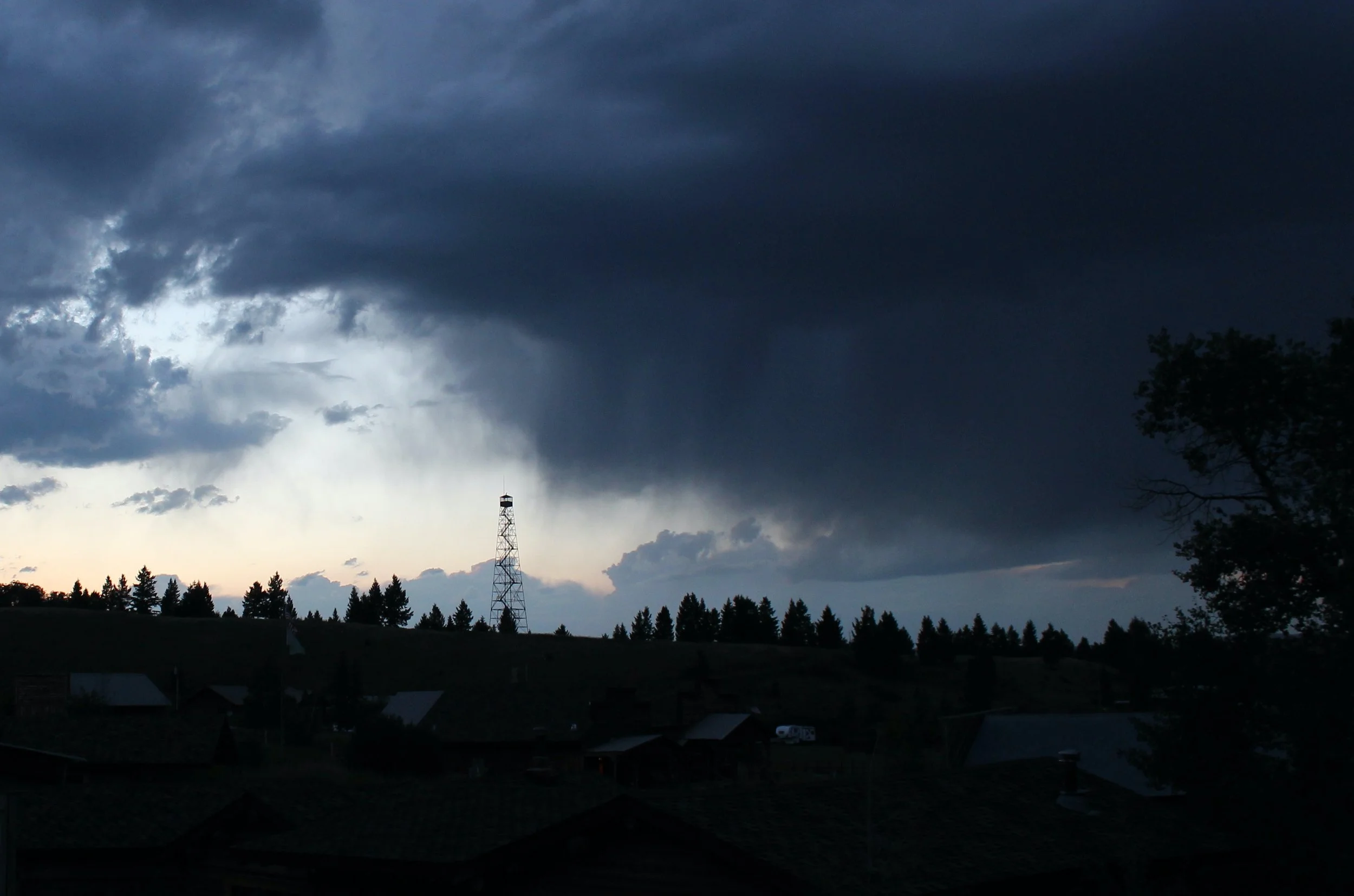
Class: Fire Tower in a Storm
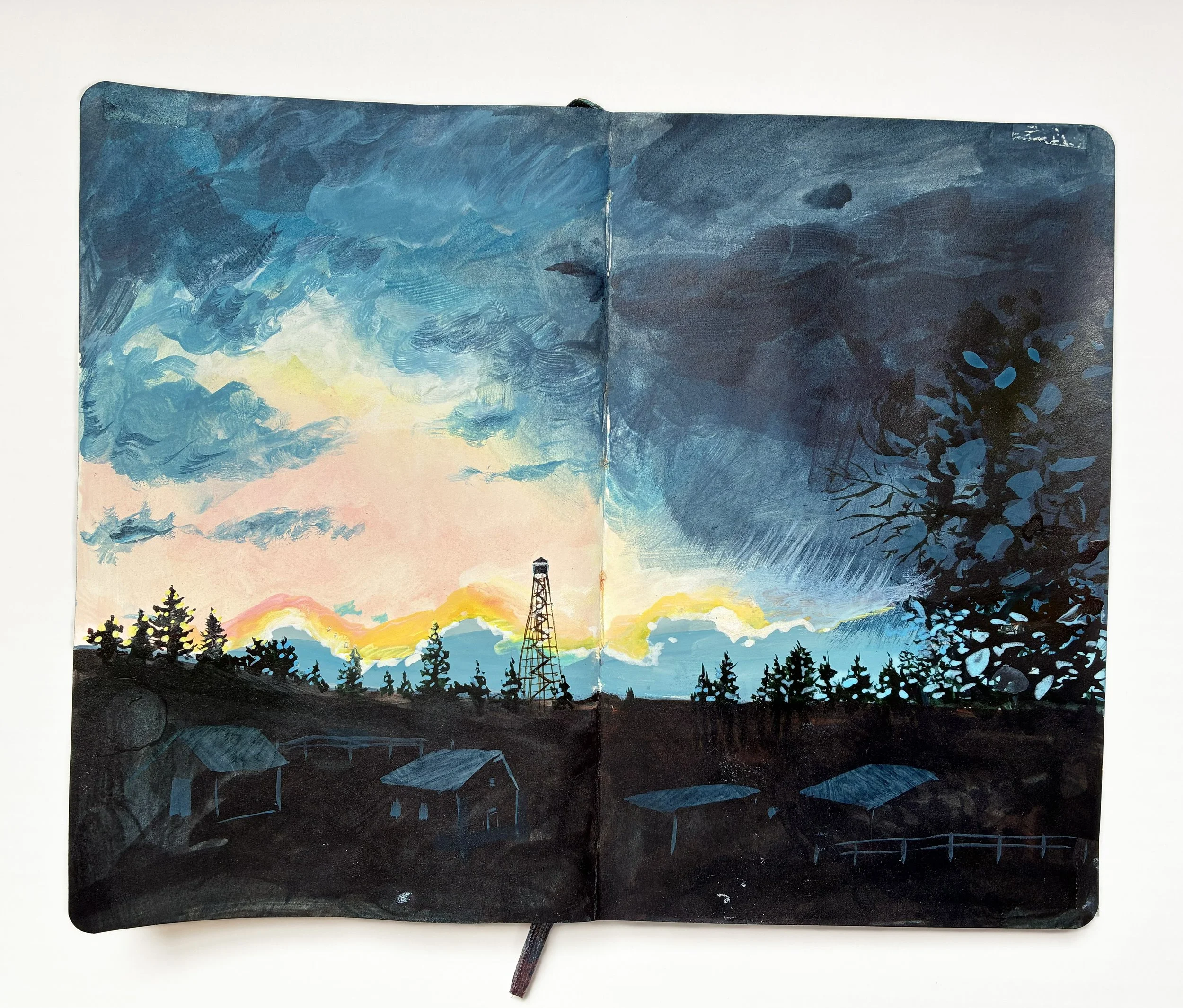
Fire Tower in a Storm, full painting in 90 minutes
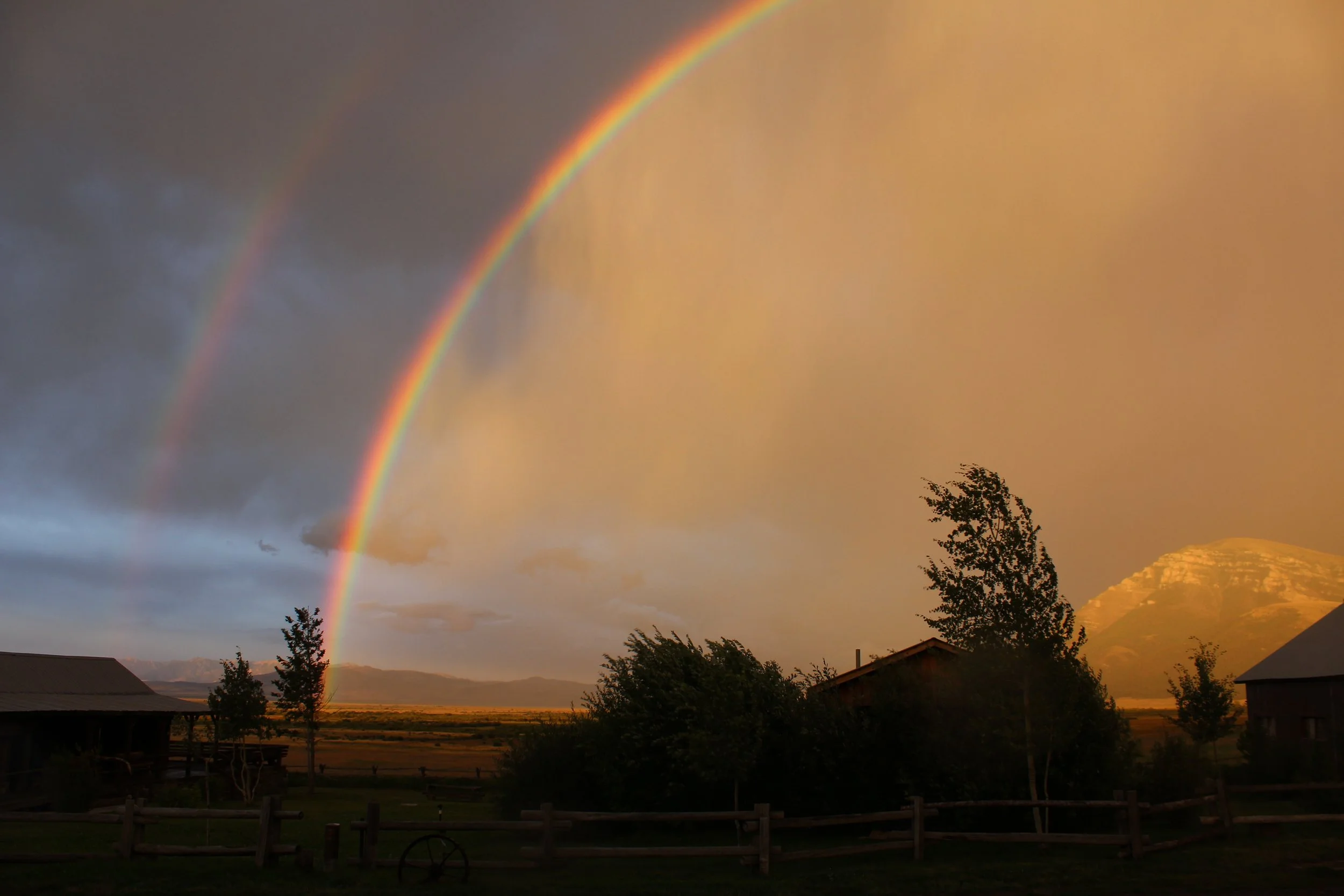
Class Set: Montana Rainbow
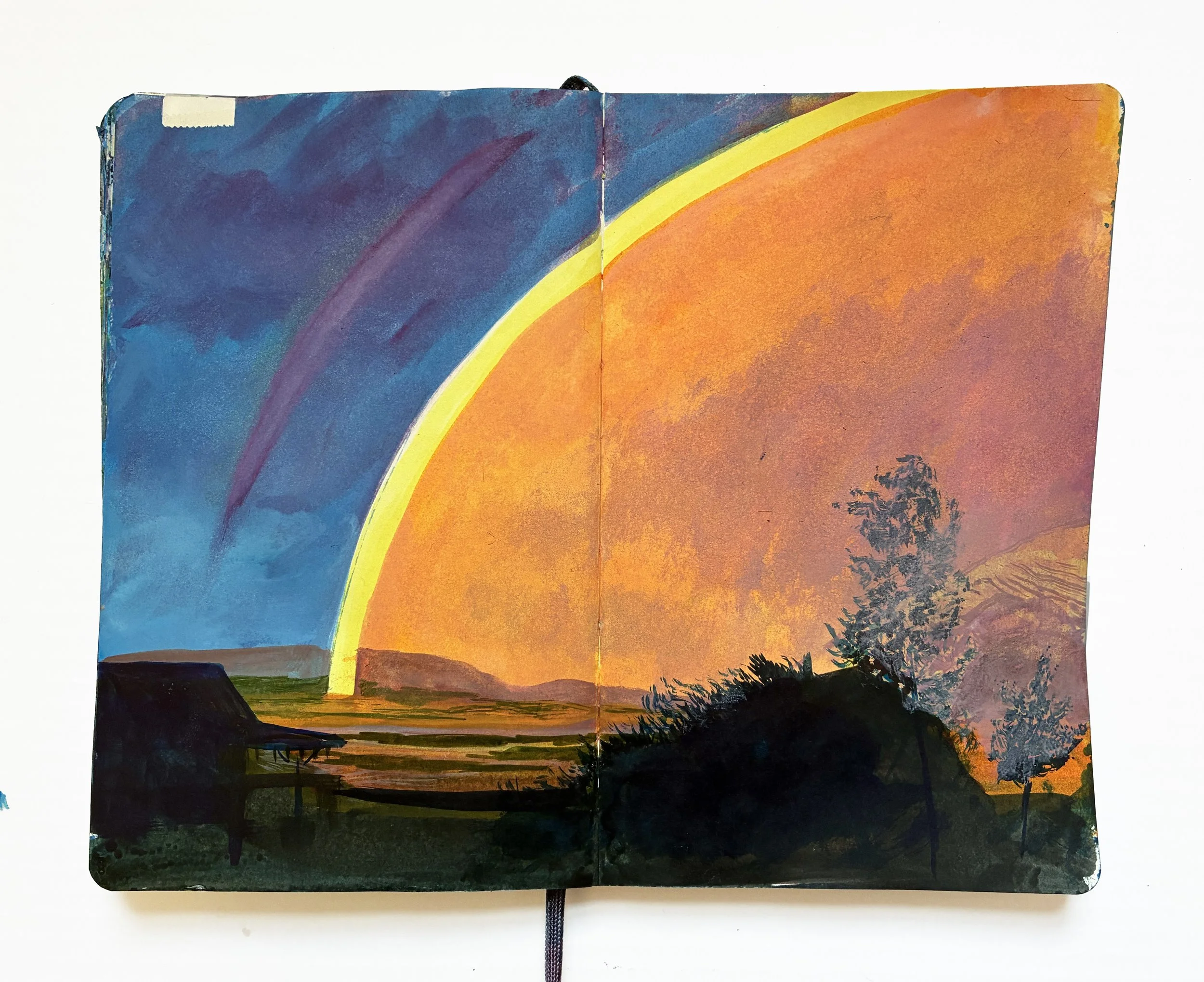
Montana Rainbow, first 90 minutes
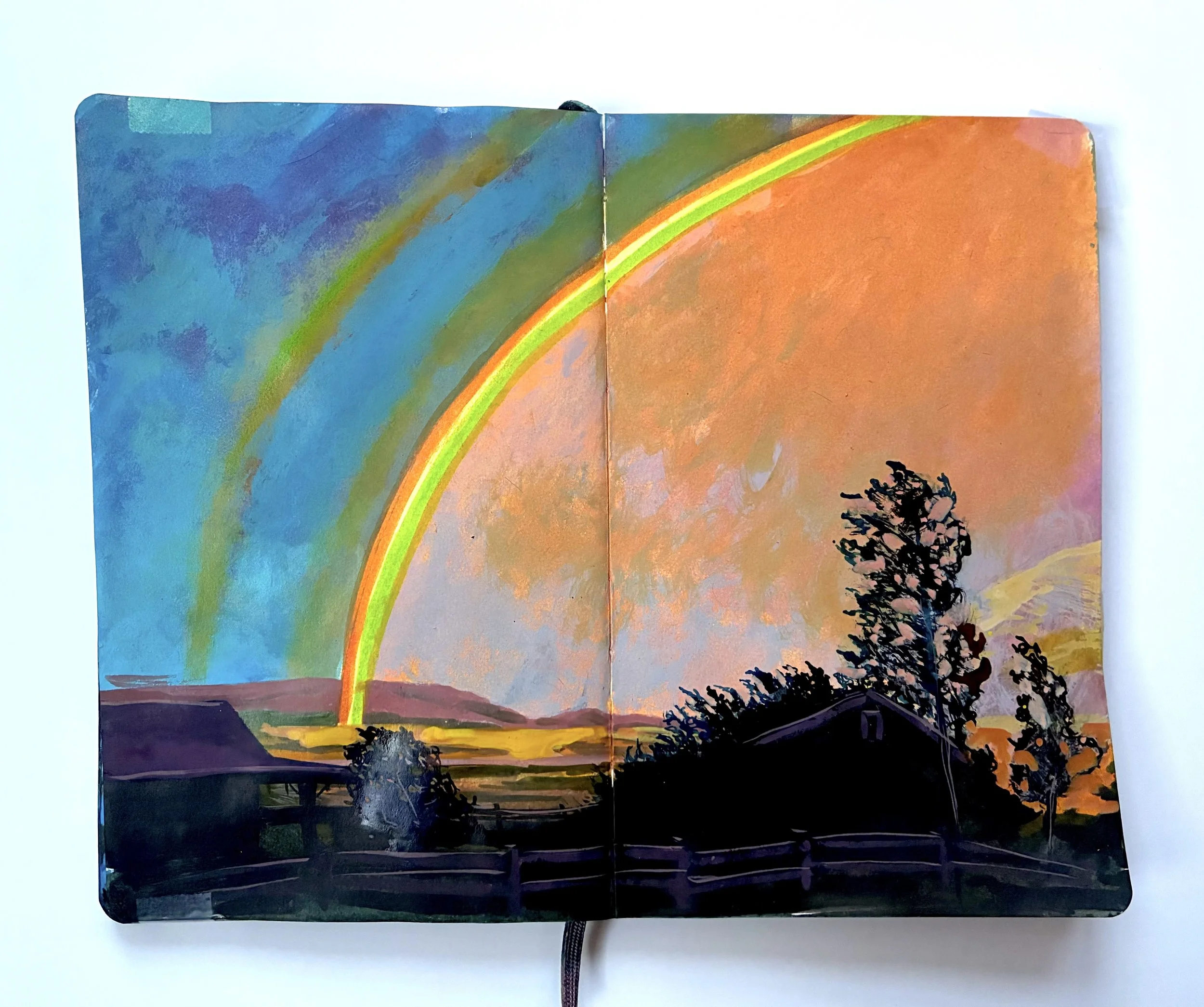
Montana Rainbow, final 90 minutes
—2025—
2025 Class Recording Sets
Class Set: Business Classes
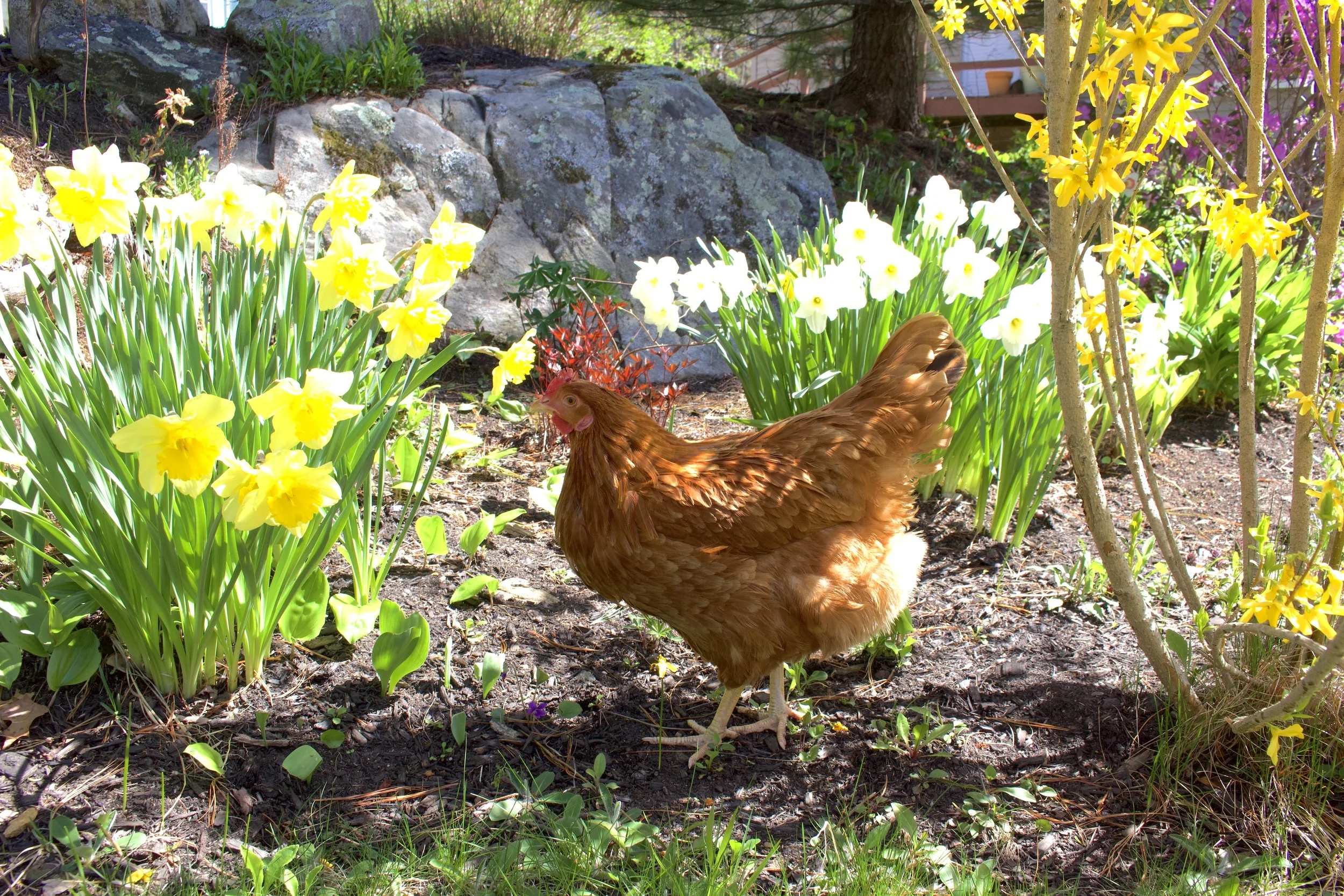
Class Set: Hen in the Garden

Hen in the Garden, first hour.

Hen in the Garden, second hour.
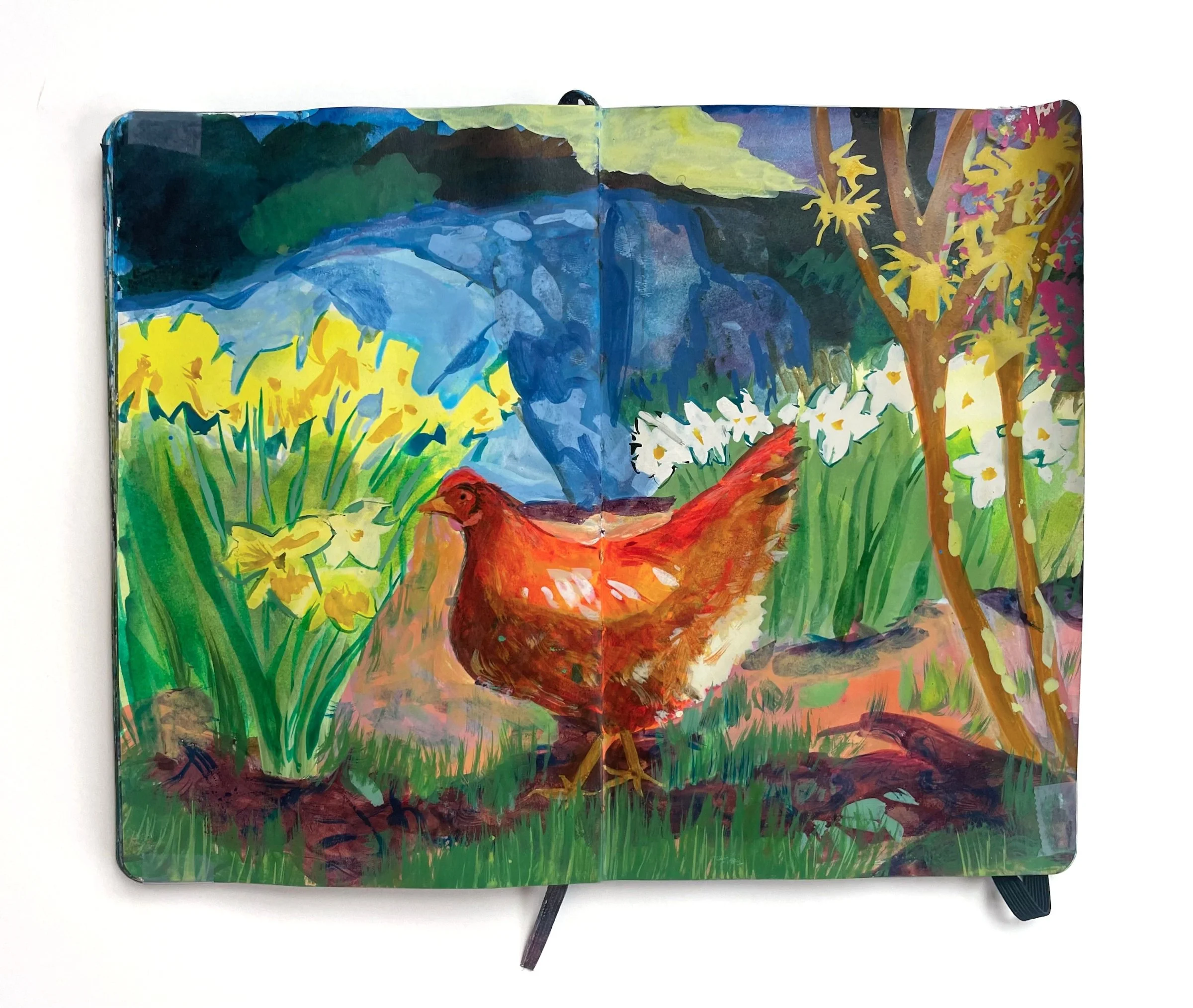
Hen in the Garden, third hour
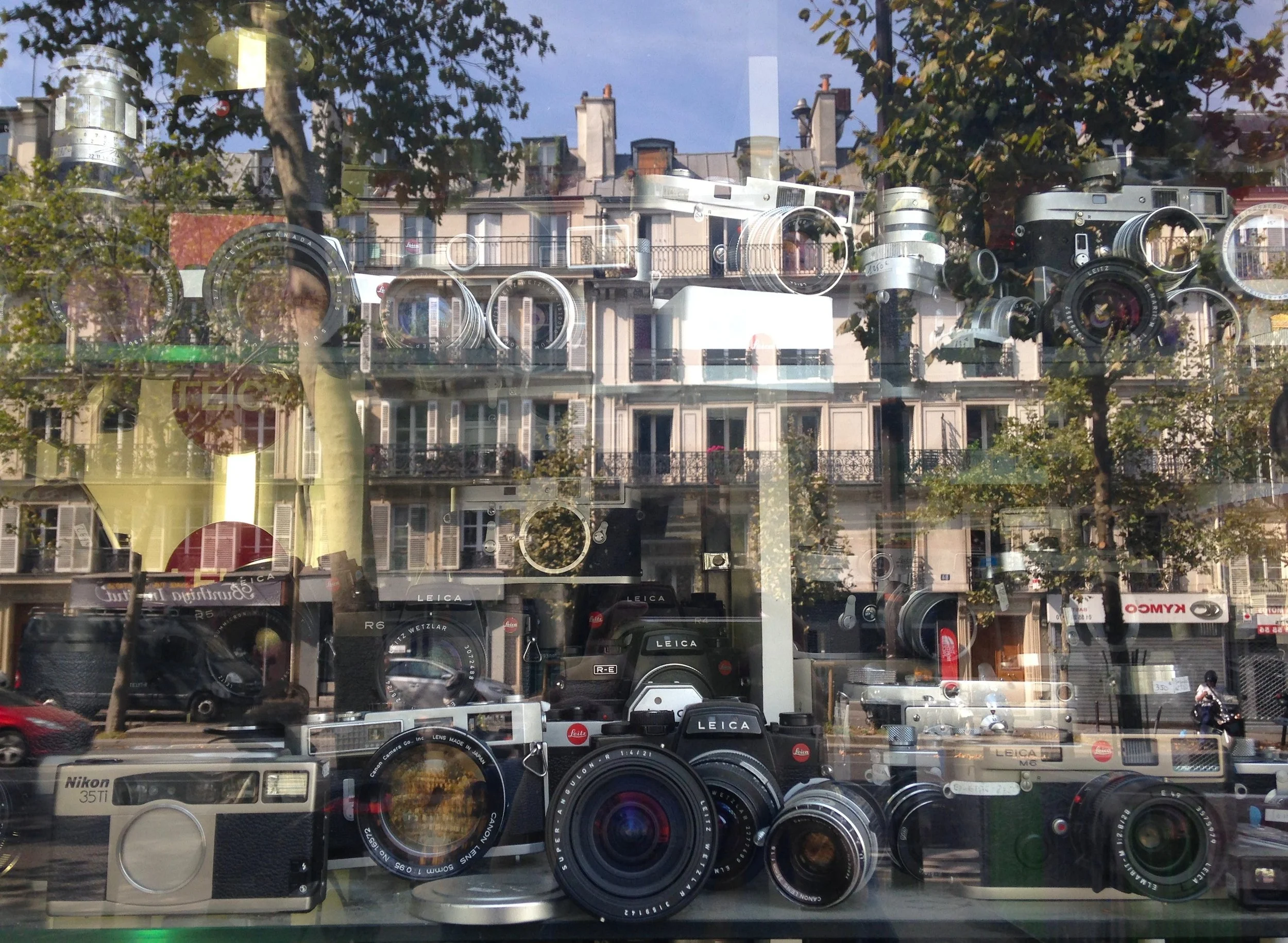
Class Set: Window Reflections in Paris

Window Reflections, first hour.
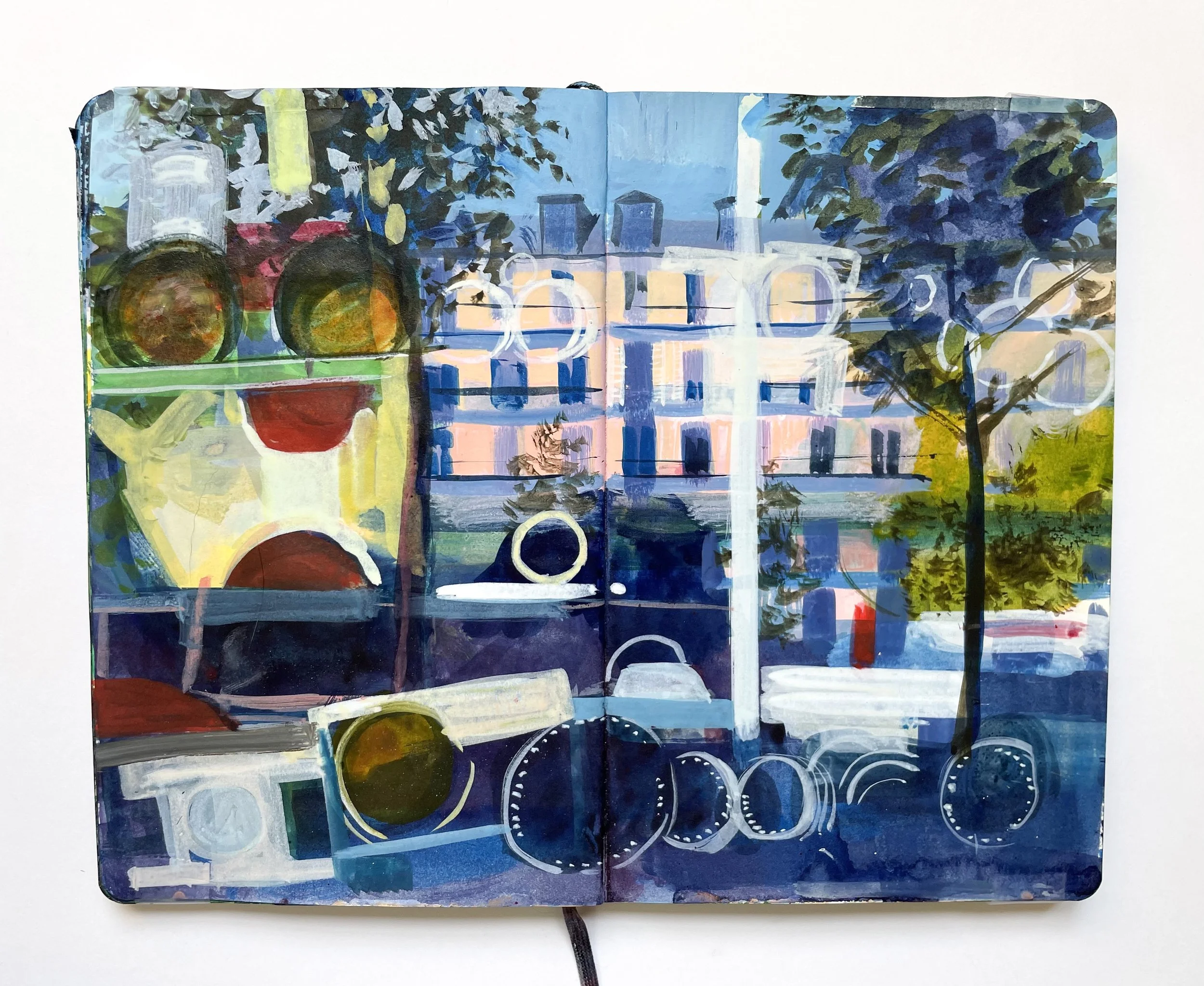
Window Reflections, second hour.

Window Reflections, third hour.
Class Set: Seaside Vendors in Turkey
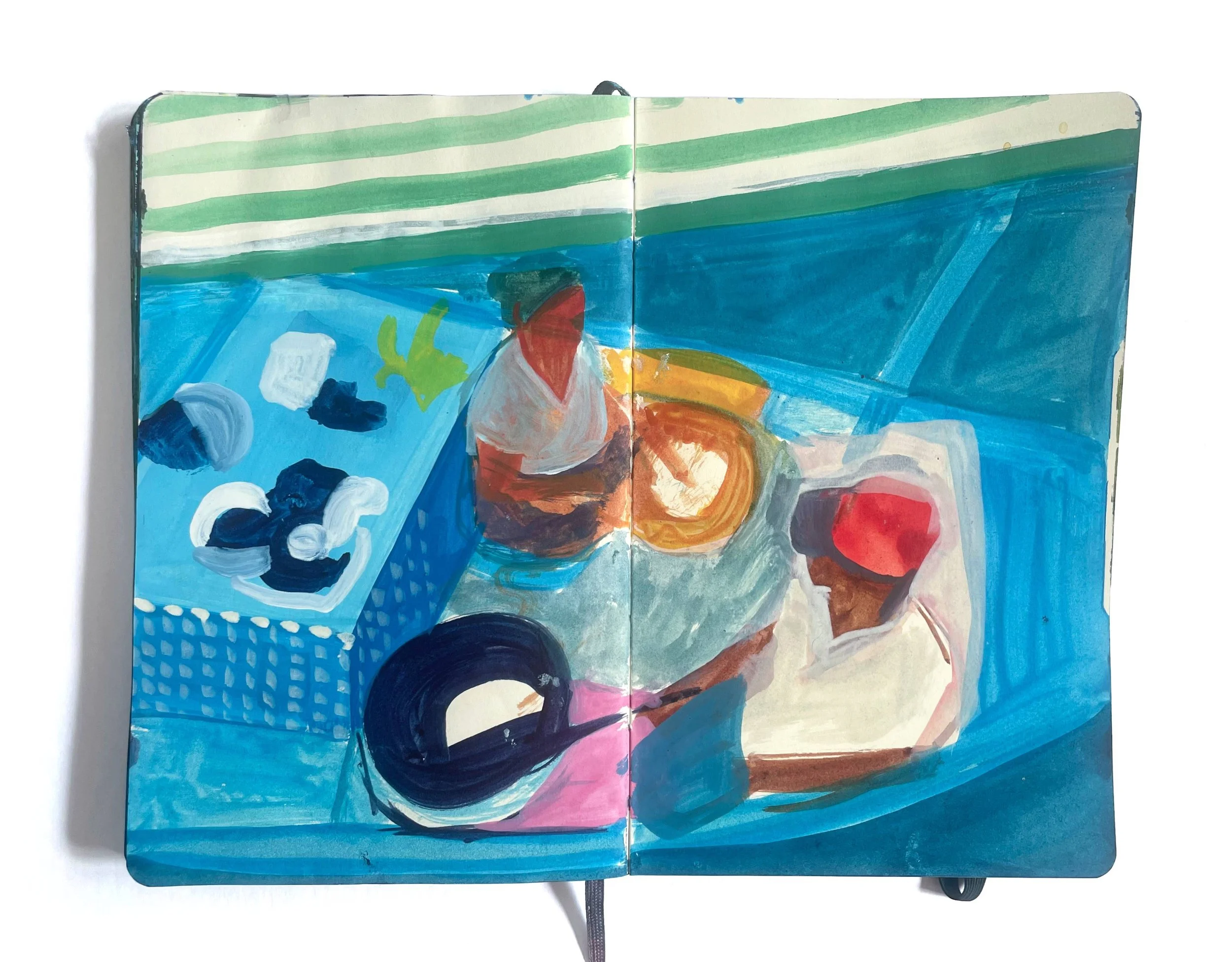
Boatside Vendors in Turkey, first hour

Boatside vendors in Turkey, second hour
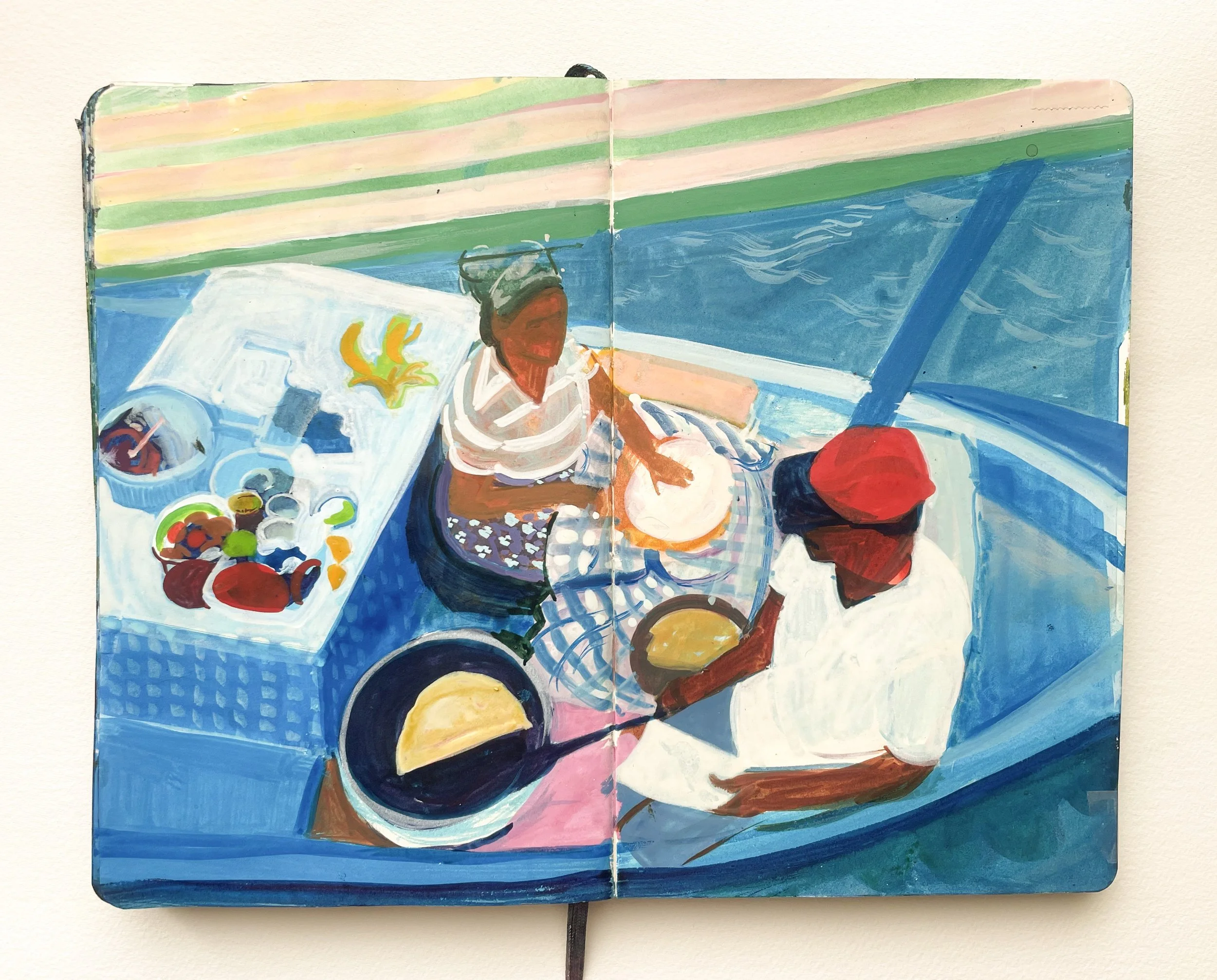
Boatside vendors in Turkey, third hour
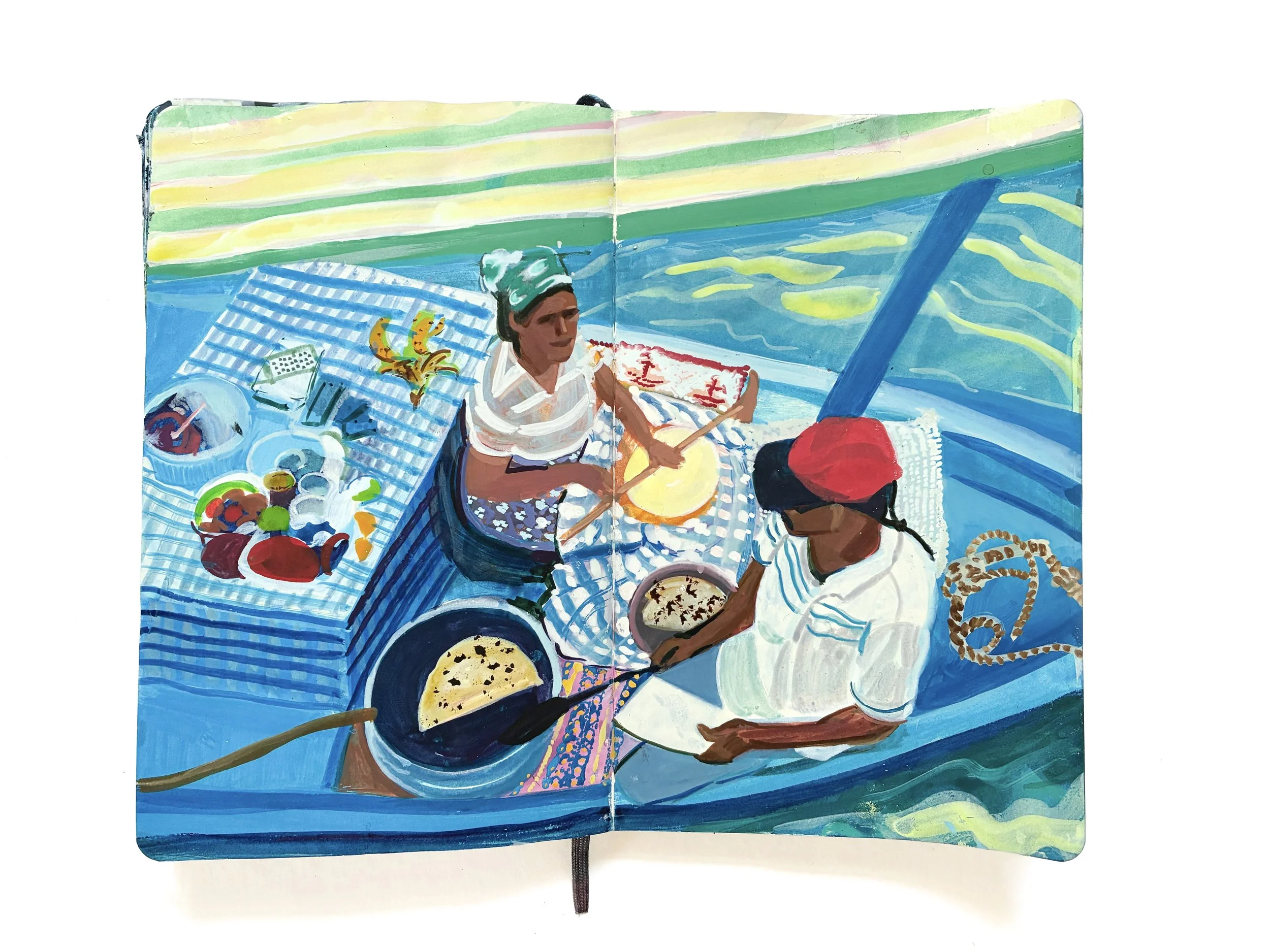
Boatside vendors in Turkey, fourth hour
